
"dark roasted coffee"
5000 article(s) found

Deep roasting of coffee beans
Including French (French). Continental (continental) Aafter Dinner (after dinner). Italian (Italian). Among them, the French-baked coffee beans will have a kind of black dark brown on the surface, while the Italian-baked coffee beans will have an obvious glossy surface. Espresso is usually made from deep-roasted coffee, on the one hand, to make
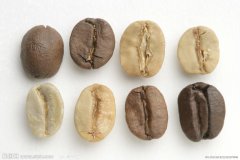
Changes of raw beans during baking
Many people think that coffee beans are born dark brown. In fact, raw coffee beans are green or cyan, because they still contain a certain amount of water. According to the observation of the color of raw beans, the green ones are generally new beans, and the yellowish or whiten ones are old beans. After the coffee fruit is processed and screened, it will be graded into sacks. And then mostly by ship, scattered to all parts of the world.

Explain the knowledge of coffee trees, picking and roasting of coffee beans
Coffee Tree Coffee Tree is an evergreen tree that can grow as high as a three-story building. However, generally planted coffee trees are trimmed to a height of less than two meters in order to facilitate harvesting. Coffee trees have white flowers, and the orchard has a faint jasmine fragrance when it blossoms. Like other fruit trees, coffee flowers turn dark green when they wither.

A glass of technical pie Espresso
Espresso cooked at the ideal temperature is very dark reddish-brown, the foam on the surface will have dark brown spots (Italians call it "el tigre"), and the foam thickness should be more than 4 mm

Roasting degree of coffee beans Coffee roasting technology Italian coffee machine extraction leakage
A series of chemical changes occur during the baking process. After about 5-25 minutes of baking (depending on the temperature selected), the green coffee beans lose some humidity and turn yellow. In this process, the coffee beans will swell, changing from a strong, high-density raw bean to a low-density fluffy state. After this process, the size of the coffee beans will about double, starting
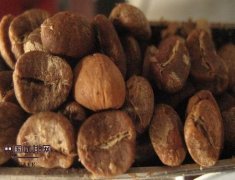
Deep roasting of coffee beans knowledge of coffee bean baking
Including French (French). Continental (continental) Aafter Dinner (after dinner). Italian (Italian). Among them, the French-baked coffee beans will have a kind of black dark brown on the surface, while the Italian-baked coffee beans will have an obvious glossy surface. Espresso is usually made from deep-roasted coffee, on the one hand, to make

Introduction of manor varieties in environmental producing area of Arabica coffee bean growing area in Latin America
Medial/City/Full city/Espresso/Dark/French Columbia beans are one of the few coffee beans that range from shallow roasting to very deep roasting, ranging from light roasting to deep roasting sweetness. In such a wide range, Colombian beans will have a different appearance.

Introduction to the roasting method of coffee roasting grade
Baking grade. Most professional coffee roasters don't use words like bright, medium, or dark to describe roasting grades. They describe them as exaggerated synaesthesia, such as earthy or chocolate-colored coffee beans. If you don't see a word for flavor, it's likely that the coffee bean baker is unprofessional. This is by no means a good sign. Cup or cup?

There will be an obvious dark chocolate introduction to Ethiopian Sidamo Lion King Coffee beans.
Manor coffee, Ethiopian Heirloom variety of Sidamo, from Cabey Manor Sidamo Manor Coffee, lifestyle and consumption concepts are changing, Manor coffee has become popular at home, hospitality, party, experience and business. You can use raw beans with a small roaster to roast fresh according to your own consumption in personality shops, theme shops and experience shops. Use cooked beans for home grinding and cooking

Flavor description of moderately roasted and deep-roasted coffee beans
Flavor description of moderate and deep roasted coffee beans roasting varieties can be divided into Light, Medium, City and Deep roasting. Light roasted coffee beans: will have a strong smell, very crisp, high acidity is the main flavor and slightly mellow. Medium-roasted coffee beans: full-bodied and protected at the same time

Introduction to the roasting degree of coffee
A series of chemical changes occur during the baking process. After about 5-25 minutes of baking (depending on the temperature selected), the green coffee beans lose some humidity and turn yellow. In this process, the coffee beans will swell, changing from a strong, high-density raw bean to a low-density fluffy state. After this process, the size of the coffee beans will about double, starting
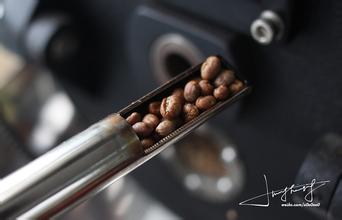
Coffee roasting knowledge: how much does the weight of cooked coffee beans decrease after roasting?
Weight reduction: due to the evaporation of water, the weight is reduced by 15-20%. In general, the moisture content of our coffee beans is 10-12%. In addition, the weight lost is generally in silver skin, dust, material changes, and carbon dioxide loss. Most of the less weight is moisture. Volume increase: due to the formation of CQ2, the volume increases by 30-60% and the specific gravity of the components changes:
Roasting of fine coffee beans determines the taste of coffee
Generally speaking, each coffee cherry contains two raw beans, and the fragrance is still hidden, waiting to be discovered. In raw beans, it contains a lot of chloric acid. As the baking process, chloric acid will gradually disappear, releasing familiar and pleasant fruit acid-such as acetic acid, citric acid, malic acid in wine. Baking is just right, it can present these beautiful sour taste moderately; on the contrary,
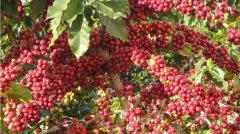
The process of the growth of coffee trees the process of roasting the fruits of coffee trees
The coffee tree is an evergreen tree with small white flowers and green flowers that turn red when it is mature. A normal coffee tree can usually grow to 5 to 10 meters high, but for the convenience of harvesting, bean farmers often prune it to less than 2 meters. After flowering, there are many dark green ellipses, and the mature ones change from dark green to bright red.

Study on roasting degree of Coffee beans
A series of chemical changes occur during the baking process. After about 5-25 minutes of baking (depending on the temperature selected), the green coffee beans lose some humidity and turn yellow. In this process, the coffee beans will swell, changing from a strong, high-density raw bean to a low-density fluffy state. After this process, the size of the coffee beans will about double, starting

Thick and sweet taste, aftertaste and warm blend of coffee
Thick and sweet taste, aftertaste and smooth warmth. Full-bodied dark chocolate, warm baked nut aromas and sweet caramel, low acidity. This coffee bean was born in memory of the dead father and the soon-to-be-born son by the coffee roaster. The slightly bitter flavor of dark chocolate is a memory of parting with loved ones. Roasted nut flavor superimposed with sweet caramel flavor is the birth of new life.
Espresso production: blending
"Blending" refers to the selection of coffee beans of different origins and qualities to achieve the desired result.
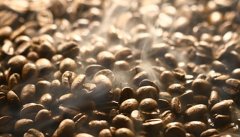
Why roast coffee beans?
The raw coffee beans for export are not the dark brown beans we often see in cafes with a luster of vegetable oil and a burst of coffee-scented beans. Coffee beans can only be roasted to become coffee beans for grinding and drinking. Of course, this is just a strange modern way, because in the early days, Ethiopians used the fruits of coffee to make wine.
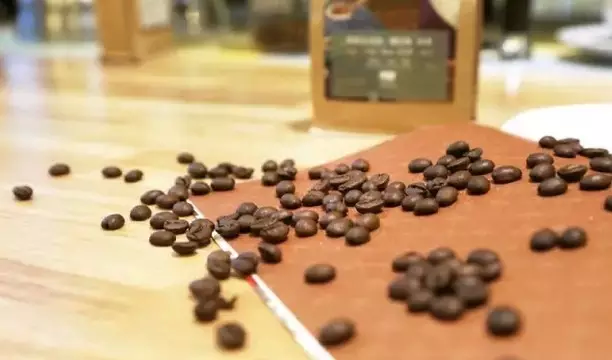
The discoloration process of roasting coffee beans-makes it easy for you to understand the changes of coffee beans
Many people think that coffee beans are born dark brown. In fact, raw coffee beans are green or cyan, because they still contain a certain amount of moisture. After the coffee fruit is processed and screened, it will be graded into sacks. Then mostly by ship, scattered to all parts of the world. After the raw coffee beans are transported to the coffee factory, they are roasted by a professional roasting machine, if
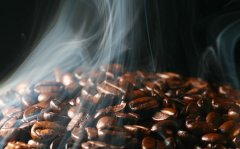
Basic knowledge of roasting Coffee Bean roasting
The so-called coffee roasting (coffee roasting) refers to the process that through heating the raw beans, a series of physical and chemical reactions take place inside and outside of the coffee beans, and in this process, the sour, bitter, sweet and other flavors of the coffee are formed, forming mellowness and hue, and transforming the raw beans into dark brown beans. The original beans of coffee rely on professional technology to maximize the flavor of beans. Baked